
Feb 18, 2026 • Adrian T
Deepfake Technology Explained: How It Works, Risks, and the Future of AI
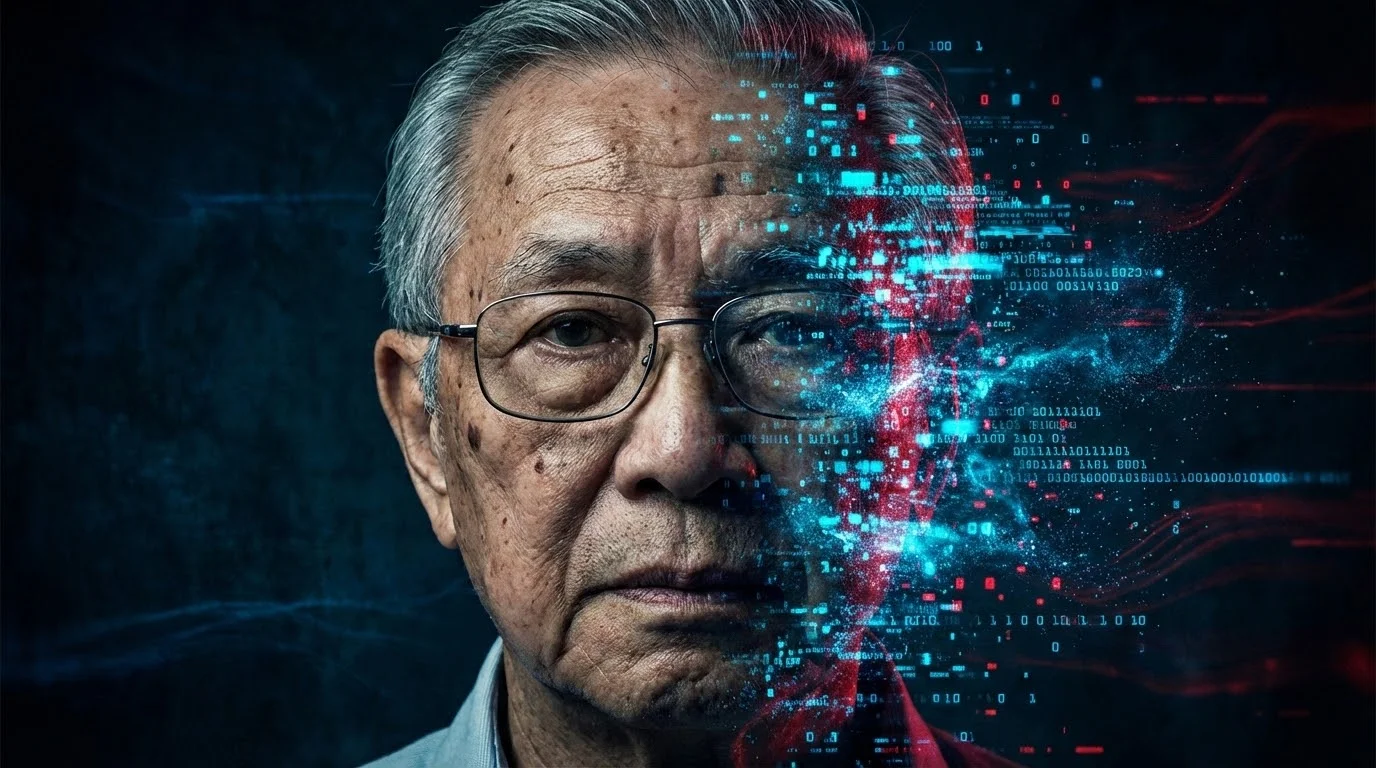
It used to be simple. If you saw a video of someone speaking or doing something, you believed it happened. That’s just how our brains work. But deepfake technology has changed that for good. You’ve probably seen those viral clips of celebrities saying things they never actually said or historical figures appearing in modern settings. These aren't just funny editing tricks. They represent a massive shift in how we create and trust what we see online.
Deepfake technology uses artificial intelligence to create highly realistic, synthetic media. This can be anything from swapping a face in a movie to cloning a politician's voice to sway an election. The creative potential is huge, but the risks are just as big. Understanding this tech isn't just for computer scientists anymore. It’s a survival skill for anyone who spends time on the internet.
This article covers how deepfakes work, how they’re used in different industries, the ethical mess they create, and how to spot one before you get tricked.
What is Deepfake Technology? Meaning and Core Concepts
The word deepfake comes from "deep learning" and "fake." It describes media where a person in a video or photo is replaced with someone else using AI. People have been doctoring photos since the invention of the camera. Deepfakes are different because they're automated and incredibly realistic.
Defining Deepfake Technology Meaning
At its core, deepfake technology is about using deep learning to change or create video and audio. In the past, high-end CGI required a studio full of artists and a Hollywood budget. Now, a deepfake can be made on a powerful laptop. It allows for the creation of content that mimics human behavior so well that our eyes often can't tell the difference.
Deepfakes aren't just about video. They include synthetic audio where a person’s voice is perfectly mimicked. They also include photos of people who don't even exist. The goal is always the same. The AI maps the features of a "source" person onto a "target" person so smoothly that you can't see the join.
It’s essentially a digital mask that moves in real time.
The Evolution of Synthetic Media
Synthetic media has moved fast. It started with those glitchy face-swapping filters on social media. They were obvious and mostly for laughs. But as computers got faster and AI models got smarter, the quality exploded.
The turning point was around 2017 when a Reddit user started sharing AI-generated videos. Since then, the tech has moved from academic labs and weird internet forums into the mainstream. We’ve gone from "cheapfakes," which are just videos slowed down to make someone look tired or drunk, to full deepfakes that can build an entire person from scratch.
How Does Deepfake Technology Work?
Making a deepfake is a process where a computer teaches itself to be a better forger. It's a game of constant trial and error.
The Role of Generative Adversarial Networks (GANs)
The engine behind most deepfakes is called aGenerative Adversarial Network , or GAN. You can think of a GAN as two AI systems playing a game against each other. One is the "Generator." Its job is to create an image that looks real. The second is the "Discriminator." Its job is to look at that image and decide if it's fake.
The process is a loop. The Generator makes a fake and the Discriminator catches it. The Generator learns from that failure and tries again. This happens millions of times. Eventually, the Generator gets so good that the Discriminator can't tell the difference anymore. At that point, you have a deepfake that looks like real footage.
Neural Networks and Data Training Sets
For a GAN to learn, it needs data. This usually means thousands of photos or hours of audio of the person being faked. These are called training sets. The AI uses neural networks to study these files. It learns how someone’s eyes crinkle when they smile or how their mouth moves when they say specific words.
The more data the AI has, the better the result. This is why celebrities and politicians are the most common targets. There’s an endless supply of high-quality video of them online for the AI to study.
The Process of Face Swapping and Voice Cloning
Face swapping is the most common use. The AI finds landmarks on the face like the tip of the nose and the corners of the eyes. It then warps the source face to fit the movements of the target.
Voice cloning works the same way but with sound. The AI looks at the pitch, accent, and rhythm of a person’s speech. Once it has that "vocal fingerprint," it can take any text and read it back in that person’s voice. Some systems only need a few seconds of audio to create a convincing clone.
Imagine getting a call from your mom asking for money. It sounds exactly like her. The rhythm is right. But it's actually a bot using a three-second clip of her voice from a social media post.
The Proliferation of Deepfake Technology Apps
A few years ago, you needed to know how to code to make a deepfake. That’s over. A wave of apps has put these tools in everyone’s pocket. Some are just for fun. Apps like Reface and Lensa let you put your face into a movie scene or turn yourself into an avatar. These apps use simple versions of GANs to give you a result in seconds.
But this easy access is a problem. While most people use these apps for a joke, the same tech powers much scarier software. Tools like DeepFaceLab are used to create high-quality swaps for YouTube. On the audio side, platforms likeElevenLabs can create synthetic voices that are almost perfect.
Anyone with a smartphone can now make synthetic media. Most of it is harmless, but the barrier to entry for people with bad intentions has basically disappeared.
Positive Use of Deepfake Technology in Modern Industry
It’s easy to focus on the scary stuff, but deepfake technology does a lot of good when it’s used the right way. Several industries are already using it to save time and be more creative.
Advancements in Cinema and Post-Production
Hollywood loves this tech. In the past, if a director wanted to make an actor look younger, it took months of manual work and a huge budget. Deepfakes make this much faster. We saw this in recent "Star Wars" movies where characters were brought back or de-aged.
It also helps with dubbing. Deepfake tech can sync an actor’s lip movements with the audio of a different language. This makes the movie feel natural instead of looking like an old dubbed kung-fu film.
Personalized Education and Historical Reenactments
Education is another big win. Imagine a history class where a deepfake of Abraham Lincoln gives a speech. Or a museum where a synthetic version of an artist talks to the visitors. It makes learning feel real.
Language apps are looking at this too. A synthetic teacher could provide lessons that match a student's pace and dialect. It makes the whole process feel more personal.
Medical Simulations and Accessibility Tools
In medicine, deepfakes help train doctors. AI can create synthetic X-rays or MRIs of rare diseases. This lets students learn without using real patient data or breaking privacy laws.
The most important use is in accessibility. People who lose their voices to diseases like ALS can use voice cloning to speak again. By using old recordings, they can use a computer that sounds exactly like they used to. That is a life-changing use of this technology.
Leading Deepfake Technology Companies and the AI Marketplace
The market for synthetic media is booming. Companies like Synthesia allow businesses to create AI avatars for training videos. Instead of hiring a film crew, a company just types a script and a synthetic presenter speaks it in fifty different languages.
HeyGen is another big player doing high-quality video translation. In the audio world, OpenAI has created voice models that set new standards for realism.
The industry is moving toward specialized tools. Some companies only handle "digital doubles" for actors. Others focus entirely on security. Billions of dollars are flowing into this space because the cost savings are too big to ignore.
The Risks and Ethical Dilemmas of AI-Generated Content
Despite the perks, the dark side of deepfakes is a huge worry for everyone. The ability to manufacture "truth" is a massive problem.
Spread of Misinformation and Political Manipulation
The biggest risk is that we stop trusting anything. Deepfakes can be used to make fake news or mess with elections. A perfectly timed fake video of a candidate saying something terrible could flip an election before anyone realizes it’s a lie. Even if it gets debunked, the damage is done. This is called the "liar’s dividend." It’s when people claim that real, incriminating footage of them is actually a deepfake just to get away with things.
Privacy Concerns and Non-Consensual Imagery
The most common and disgusting use of deepfakes today is the creation of non-consensual adult content. Thousands of women have had their faces put into pornographic videos without their permission. This is a horrific form of harassment and a total violation of privacy. Legal systems are still struggling to find ways to stop this.
The Threat to Cyber Security and Financial Fraud
Deepfakes are now being used in big-money scams. There have been cases where employees got a call from their "CEO" telling them to transfer millions of dollars to a specific account. The voice sounded perfect, so they did it. This kind of voice phishing is a nightmare for companies. It beats traditional security that relies on knowing someone's voice.
How to Detect Deepfake Technology AI
As the tech gets better, spotting a fake gets harder. But there are still some red flags to look for.
Visual Cues and Digital Artifacts
Many deepfakes still have tiny flaws. Look at the eyes. Does the person blink? Early deepfakes didn't blink much because the AI was trained on photos where people’s eyes were open. Look at the edges of the face. Does the skin look weird near the hair or the jawline?
Digital artifacts are another sign. These are little glitches or blurs around the mouth when the person talks. Lighting is also hard to fake. If the shadows on the face don't match the shadows in the background, it’s probably a fake.
Technical Detection Software and Blockchain Verification
Since our eyes can be fooled, we need software to help. Companies like Intel and Microsoft have built tools that look for things we can't see. For example, Intel’sFakeCatcher looks for blood flow in the face. Real humans have tiny color changes in their skin as their heart beats. Deepfakes don't have that.
Blockchain might also help. In the future, cameras could "sign" a video file with a digital certificate the second it's recorded. If that video is edited or faked later, the certificate breaks. You’d know immediately that the clip isn't original.
The Future of Deepfake AI: Regulation and Ethics
We are currently in a "Wild West" period. The tech is moving way faster than the law. But things are starting to change. TheEuropean Union’s AI Act is one of the first big moves to regulate this. It will require platforms to label AI content so you know what you're looking at.
In the US, some states have passed laws against deepfake porn. However, there still isn't a single federal law that covers all deepfake crimes.
The real questions are moral ones. Is it okay to use a deepfake of a dead actor in a new movie? Is it okay to use a synthetic voice in an ad without telling people? We have to decide where the line is.
The future will likely be a mix of better laws, smarter detection tools, and a more skeptical public. We have to learn to check multiple sources and not just believe our eyes.
Conclusion
Deepfake technology is here to stay. It has the power to change how we learn, tell stories, and even help people speak again. But that same power can destroy lives and mess with democracy.
The best defense is staying informed. By understanding the AI that makes these fakes, we can be more prepared for the risks. As the tech moves forward, our ability to think critically is more important than ever. The days of trusting everything we see on a screen are over.
FAQ
Is deepfake technology illegal to use?
It depends on what you’re doing. Making a deepfake for a joke or a parody is usually fine. But using them to scam people, harass them, or make non-consensual adult content is a crime.
What are the most popular deepfake technology apps available today?
Reface and Lensa are huge for quick face swaps on your phone. DeepFaceLab and HeyGen are more for professional or advanced users. ElevenLabs is the go-to for voice cloning.
How can businesses protect themselves from deepfake fraud?
Companies should use multi-factor authentication that doesn't just rely on a voice or a face. They also need to train staff to recognize the signs of a deepfake and have strict rules for sending large amounts of money.
Can deepfake technology be used for good?
Definitely. It's used in medicine, for de-aging actors in movies, and to give voices back to people who can't speak. It also makes history and education more immersive.
What is the difference between a cheapfake and a deepfake?
A cheapfake is a simple edit, like slowing down a video to make someone look bad. A deepfake uses advanced AI to completely replace a face or a voice with high precision.
Related Posts

Do Apps Like WhatsApp, Gmail Work in China? How Singapore Travellers Stay Connected

AI Generated Photos and Videos: Safety Tips and New Ideas to Try

Why More Singapore Seniors Are Joining Instagram (and How to Start)

How to Build a Design System for your Business and Brands Using Claude Design

Claude Plugins Explained: What They Are and How to Use Them for Business

Edit images using Google Gemini Nano Banana without photoshop

Leading Image, Video and Audio Generative AI Companies With Free Tiers and Usage

Leading Generative AI Companies Around the World With Free Tiers and Usage
