
Feb 11, 2026 • Adrian T
A Guide to Active Ageing Centres in Singapore: Activities, Locations, and Benefits
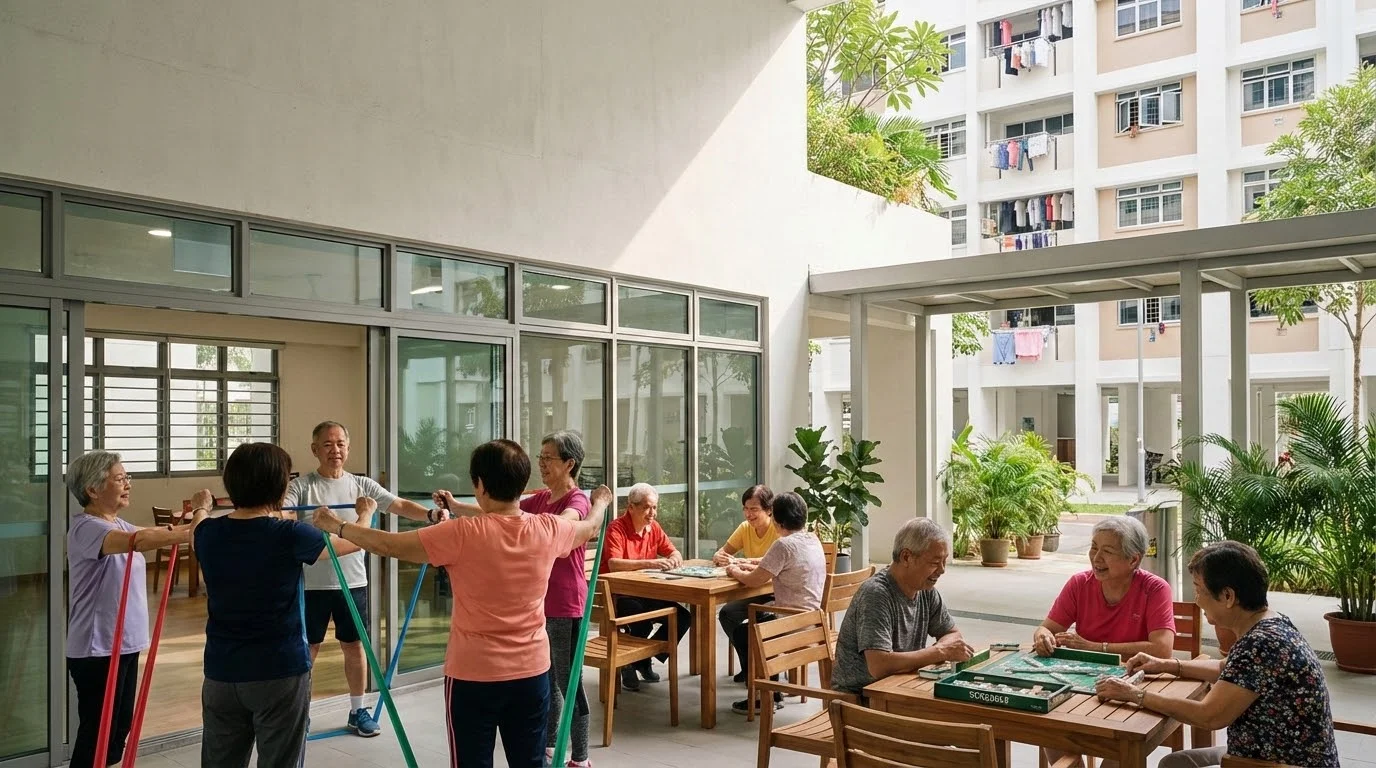
Singapore is currently home to one of the fastest-aging populations in the world. By 2030, about one in four Singaporeans will be aged 65 and above. To ensure that growing older doesn't mean a decline in quality of life, the government has invested heavily in community infrastructure. Central to this effort is the active ageing centre. These centers serve as the heartbeat of the neighborhood for many seniors. They provide a space where older adults can stay physically active, socially connected, and mentally sharp.
An active ageing centre is much more than just a place to sit and chat. It's a comprehensive support hub designed to help seniors age in place. This means providing enough support within the community so that seniors can continue living in their own homes for as long as possible. If you or a loved one are looking for ways to stay engaged during your golden years, understanding how these centers work is the first step. You'll learn about the programs offered, how the system has evolved, and how to find a center right at your doorstep.
Understanding Active Ageing Centres (AAC) in Singapore
Active Ageing Centres are community-based drop-in centers for all seniors living nearby. They operate under the Age Well SG national program, which focuses on preventative care. The idea is simple. If we keep seniors active and socially engaged now, they'll likely face fewer health complications later.
These centers are strategically located within residential estates, often at the void decks of HDB blocks. This makes them incredibly accessible. For many seniors, a walk to the center takes less than five minutes. This proximity is intentional. It removes the barrier of transportation, which is often a major reason why older adults stay home and become isolated.
The Agency for Integrated Care (AIC) oversees these centers, partnering with various social service agencies to run them. While the name might sound formal, the atmosphere inside is usually warm and bustling. On any given morning, you might hear the sounds of laughter, music, or the rhythmic tapping of a group exercise class. These spaces act as a communal living room for the neighborhood.
The Core Purpose of Active Aging Centres
The primary goal of an active ageing centre is to transform the experience of growing old from a solitary journey into a shared community experience. This is achieved through three main pillars: social connection, health support, and systemic evolution.
Social Connectivity for Seniors
Loneliness is often a silent health crisis among the elderly. When a senior lives alone or spends the entire day at home while family members are at work, their mental health can suffer. Social isolation is linked to higher risks of depression and cognitive decline.
Active Ageing Centres tackle this by creating a "second home" environment. Seniors can drop in at any time during operating hours to read the newspaper, play a game of Rummikub with friends, or simply enjoy a cup of coffee. These centers foster the "Kampung spirit" by encouraging neighbors to look out for one another. It's common to see seniors forming tight-knit friendship circles that extend beyond the center's walls. They end up going for lunch together or checking in on each other if someone misses a day at the center.
Holistic Health and Wellness Support
Health in the senior years isn't just about the absence of disease. It's about maintaining the ability to move, eat well, and stay mentally alert. AACs take a holistic approach to this. They offer more than just medical check-ups. They focus on wellness as a lifestyle.
This involves educating seniors on nutrition and chronic disease management. Many centers invite speakers to talk about common issues like diabetes or hypertension. By providing this information in a familiar community setting, seniors feel more comfortable asking questions than they might in a busy clinic. The focus is on early intervention. If a senior stays active and eats well, they can manage many age-related conditions without needing intensive hospital care.
The Shift from Senior Activity Centres to AACs
If you've lived in Singapore for a long time, you might remember Senior Activity Centres (SACs). For years, these were the primary hubs for the elderly, but they were often limited to those living in rental flats. The government recognized that all seniors, regardless of their housing type, need support.
This led to the expansion and rebranding of SACs into Active Ageing Centres. The "AAC" model is more inclusive. It serves all seniors living within a specific boundary, whether they live in a rental flat, a purchased HDB flat, or private property. This shift represents a move toward "universal access." The goal is to scale up to over 200 centers across the island, ensuring every senior has a center to call their own.
Engaging Active Ageing Centre Activities for a Vibrant Lifestyle
The variety of activities available at an active ageing centre is often surprising to newcomers. These programs are designed to be fun while serving a specific physical or cognitive purpose.
Physical Exercise and Fitness Programs
Physical health is the foundation of active ageing. Most centers hold daily or weekly exercise sessions tailored to different fitness levels. You might see "Zumba Gold" classes, which are lower-intensity versions of the popular dance workout. Qigong and Tai Chi are also staples because they focus on balance and breathing, which are vital for fall prevention.
For those with limited mobility, many AACs offer chair yoga or seated resistance band exercises. These movements help maintain muscle tone and joint flexibility without putting too much strain on the body. It's common for these sessions to be led by trained instructors or even senior volunteers who have been certified to lead their peers.
Lifelong Learning and Skill Workshops
Retirement is a great time to pick up a new hobby or learn a skill that there was never time for during the working years. AACs offer a wide range of workshops. One of the most popular categories is digital literacy. In a world that's increasingly digital, seniors often feel left behind. Centers offer classes on how to use smartphones, navigate the Singpass app, or make video calls to grandchildren.
Xiohoo conducts this list of smartphone and app courses at the AACs.
Other workshops might include:
-
Art and craft sessions like calligraphy, knitting, or painting.
-
Healthy cooking demonstrations using local ingredients.
-
Basic language or dialect classes to help with communication.
-
Financial literacy talks to help seniors manage their retirement funds and avoid scams.
Intergenerational Programs and Social Events
Bridging the gap between the young and the old is a key focus for many centers. AACs often partner with nearby primary schools, secondary schools, or even preschools. These intergenerational programs might involve students visiting the center to play games with the seniors or perform a concert.
These interactions are incredibly beneficial. They give seniors a sense of purpose and joy, while the students learn empathy and respect for their elders. Beyond these programs, centers also organize festive celebrations for Chinese New Year, Hari Raya, Deepavali, and Christmas. Day trips to local attractions like Gardens by the Bay or the Jewel Changi Airport are also frequent highlights of the social calendar.
Health and Care Services Offered at Active Aging Centres
While they aren't medical clinics, active ageing centres play a vital role in the healthcare ecosystem. They act as a bridge between the home and the hospital.
Basic Health Screenings and Monitoring
Regular monitoring can catch health issues before they become emergencies. Many centers have nursing staff or trained volunteers who conduct regular blood pressure and blood glucose checks. Seniors can walk in, get their vitals checked, and keep a record in their health booklets.
Many centers also host annual health screenings. These events often include vision and hearing tests, as well as functional screenings to check a senior's balance and gait. Catching a decline in balance early can lead to physiotherapy referrals that prevent a serious fall later on.
Referrals for Community Care Services
The staff at an active ageing centre are experts in the Singapore care landscape. If a senior's health starts to decline, or if they need more help at home, the center can help navigate the system. They can provide referrals for:
-
Home nursing or home medical services.
-
Meals-on-wheels programs for those who can no longer cook.
-
Medical escort services for those who need help getting to hospital appointments.
-
Day care or dementia care centers if higher levels of supervision are needed.
This referral system takes the stress off the family members who might not know where to turn for help.
Assistance for Vulnerable Seniors
Some seniors are at higher risk than others. This includes those living alone or those with limited financial means. AACs take a proactive approach to finding these individuals. This is often done through the Primary Action Factor (PAF) outreach.
Staff and volunteers will actually go door-to-door in the neighborhood to check on seniors who haven't registered with the center. They look for signs of neglect, poor health, or social withdrawal. If they find a senior in need, they can connect them with financial assistance through ComCare or arrange for social workers to intervene. This "active outreach" ensures that no senior falls through the cracks.
How to Find an Active Ageing Centre Near Me
With the rapid expansion of the AAC network, there's likely a center closer than you think. Finding one is a straightforward process.
Using the Agency for Integrated Care (AIC) Locator
The easiest way to find a center is through the AIC website . They provide a comprehensive "E-care Locator" tool. You can enter your postal code, and the tool will show you a map of all the nearby active ageing centres. It also provides contact details, operating hours, and a list of the specific services offered at that location.
Major Active Aging Centre Locations Across Singapore
AACs are distributed across all major residential towns. In areas like Ang Mo Kio, Bedok, and Toa Payoh, which have higher populations of elderly residents, the density of centers is higher. Large social service organizations like NTUC Health, Thye Hua Kwan Moral Charities (THKMC), and Fei Yue Community Services run many of these locations.
Each organization might have a slightly different "flavor" or specialty. Some might have a stronger focus on sports, while others might be known for their excellent arts programs. It's often worth visiting a couple of nearby centers to see which community feels like the right fit.
Identifying Centres within Your HDB Estate
If you're walking around your neighborhood, look at the void decks of HDB blocks. You'll often see colorful signs or glass-walled units with the "Active Ageing Centre" branding. These centers are designed to be visible. Many have notice boards outside listing their weekly activity schedule. You can simply walk in and ask the staff for a tour or a copy of their monthly calendar.
Eligibility and Membership: How to Join an Active Aging Centre
Joining an active ageing centre is a simple and welcoming process. Most centers follow a universal membership policy.
To be eligible, a person usually needs to be a Singapore Citizen or Permanent Resident aged 60 and above. In some cases, centers also welcome those aged 55 to 59, especially if they are looking to volunteer or participate in specific wellness programs.
Registration is typically free. You'll need to bring your NRIC for a quick administrative setup. Once registered, you'll be given a membership card or added to their digital system. While basic membership and drop-in services are free, some specific activities—like a specialized craft workshop or a catered day trip—might require a small co-payment. These fees are kept very low to ensure they are affordable for everyone.
The Role of Volunteering in Active Aging Centres
Volunteering is the lifeblood of the active ageing centre. It isn't just about young people helping seniors. In fact, many of the most active volunteers are seniors themselves.
"Senior-for-Senior" volunteering is a powerful concept. It gives retirees a renewed sense of purpose. A retired teacher might volunteer to lead a reading club, while someone who loves to cook might lead a kitchen workshop. This peer-to-peer support creates a more relatable environment.
Younger volunteers also play a role. Students often help with digital literacy classes, teaching seniors how to use the latest apps. Corporate groups also visit for one-day events. However, it's the regular, long-term volunteers who form the deepest bonds with the members. If you're looking for a way to give back to the community, your local AAC is a great place to start.
Why Every Senior Should Visit an Active Aging Centre Singapore
Visiting an active ageing centre can truly change a senior's life. Many people start going because they are bored or want to get some exercise. They stay because of the friendships and the sense of belonging.
It's a place where you're known by name. It's a place where someone will notice if you don't show up for a few days. That level of community care is priceless. Beyond the social aspect, the health benefits are clear. Seniors who participate in community programs have better physical mobility and better cognitive function than those who remain sedentary.
If you have an elderly parent who is hesitant to join, try taking them for a simple walk-in visit. Most centers are very welcoming. There's no pressure to join a class immediately. They can just sit, have a drink, and observe the activities. Often, seeing other people their age having fun is all the motivation they need to come back.
Conclusion
Active Ageing Centres are a cornerstone of Singapore's strategy to help seniors live well. By providing a mix of social activities, fitness programs, and health monitoring, these centers empower older adults to maintain their independence. They turn the neighborhood into a supportive ecosystem where help is always just a few steps away. Whether you're looking to learn a new skill, get fit, or simply make new friends, the local AAC offers a wealth of opportunities. It's about more than just adding years to life. It's about adding life to those years.
FAQ
How do I find an active ageing centre near me?
You can use the E-care Locator on the Agency for Integrated Care (AIC) website by entering your postal code. Alternatively, you can look for signage at the void decks of HDB blocks in your neighborhood. Most centers are conveniently located near residential clusters for easy access.
Are there any fees for active ageing centre activities?
Most basic services, such as dropping in for social interaction or basic health monitoring, are free of charge. Some specific classes, workshops, or organized outings may require a nominal fee to cover materials or transport. These costs are kept low to ensure all seniors can participate regardless of their financial situation.
Can foreigners or Permanent Residents join an active aging centre in Singapore?
Active Ageing Centres are primarily designed for Singapore Citizens and Permanent Residents aged 60 and above. While Permanent Residents are generally eligible, foreigners may need to check with specific centers regarding their guest policies. Eligibility can sometimes vary slightly depending on the specific program or social service agency running the center.
What is the difference between an Active Ageing Centre and a Senior Activity Centre?
The main difference is inclusivity. Senior Activity Centres were traditionally located near rental blocks and focused on low-income seniors. Active Ageing Centres are the modern evolution of this model, offering services to all seniors in the neighborhood regardless of their housing type or income level.
Do I need to register in advance before visiting an active aging centre?
You don't usually need an appointment for your first visit. You can walk in during operating hours to look around and speak with the staff. However, to participate in specific classes or health screenings, you'll need to complete a simple one-time registration with your NRIC.
Related Posts

AI Generated Photos and Videos: Safety Tips and New Ideas to Try

Why More Singapore Seniors Are Joining Instagram (and How to Start)

How to Build a Design System for your Business and Brands Using Claude Design

Claude Plugins Explained: What They Are and How to Use Them for Business

Edit images using Google Gemini Nano Banana without photoshop

Leading Image, Video and Audio Generative AI Companies With Free Tiers and Usage

Leading Generative AI Companies Around the World With Free Tiers and Usage

Deepfake Technology Explained: How It Works, Risks, and the Future of AI
